
April 2, 2026, 9:17 pm

 |
|---|
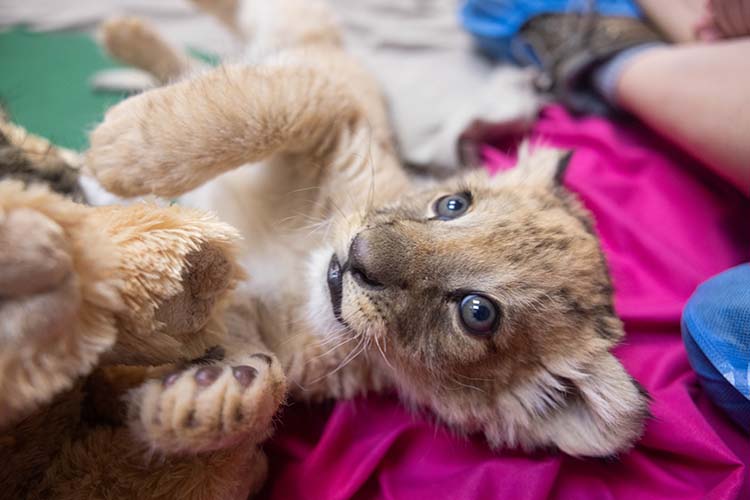
| Zoo Knoxville's new male lion cub. Image by Zoo Knoxville |
KNOXVILLE - Zoo Knoxville welcomes the birth of a male African lion cub to first-time mother Zahra (ZARA) and father Maji (MAW-GEE). The cub was born on February 17th. Zahra was brought to Zoo Knoxville following a breeding recommendation specifically to help strengthen the genetic diversity of African lions in human care — an essential part of maintaining a healthy, sustainable population.
While the birth marked an important milestone for the species, the journey has also required careful decision-making and dedicated around-the-clock care from Zoo Knoxville’s animal care team.
Zahra was recommended to breed with Maji as part of the Association of Zoos and Aquariums’ Species Survival Plan (SSP) — a cooperative, science-based program that carefully manages animal populations across accredited zoos to maintain genetic diversity and ensure long-term species health.
“Our goal is always to let lions raise lions,” said Terry Cannon, Curator of Carnivores. “We monitor closely, but we want to see natural maternal behaviors and allow the process to unfold without unnecessary intervention.”
Animal care staff closely monitored the litter using den cameras, observing nursing patterns and behavior while giving Zahra the space needed to raise her cubs naturally.
As the days progressed, staff began to notice changes in the cubs’ condition. Although Zahra remained highly attentive, she became increasingly protective and would not leave the den, limiting the team’s ability to perform routine health checks. At the same time, nursing became less consistent.
“Through our camera monitoring, we could see they were nursing, but not thriving,” Cannon said. “When Zahra briefly shifted away, we were able to intervene. At that point, it was clear the cubs were not getting enough milk.”
Despite the team’s best efforts, only one cub survived — a situation that can occur with first-time mothers in both wild and managed care settings.
Veterinary staff quickly assessed the surviving cub, and the decision was made to begin hand-rearing — a step taken only when necessary to ensure survival.
Since being placed on a bottle-feeding regimen, the cub has shown steady improvement. He is now being fed multiple times a day, including overnight, and continues to gain weight and strength.
Zoo Knoxville President and CEO Bill Street emphasized the broader impact of the birth.
“Every new cub like this represents hope for the future of lions,” said Street. “Managed populations play a vital role in conservation, and ensuring the survival of this cub supports the long-term sustainability of the species.”
While intervention is sometimes necessary, decisions are always made with the animal’s best interest and long-term species health in mind. The zoo will continue to share updates on the cub’s progress and will announce when he will be visible to guests.
For more information on Zoo Knoxville’s conservation efforts, visit zooknoxville.org.
