
Congress Just Took a Big Step to Protect Children Online. We Must Finish the Job.
By Marsha Blackburn
August 10, 2026, 1:44 p.m.
Chase Nasca had his whole life ahead of him. He was a star soccer player and honors student at his high school in New York. He loved spending time with his family, and had no history of mental health issues. But at the start of 2022, his friends noticed a disturbing change in his behavior. Before, Chase would share amusing, lighthearted videos from TikTok. But almost overnight, he started to send them posts about suicide. Within a month, Chase killed himself by walking in front of a train near his home. He was 16 years old.
 |
|
|---|---|
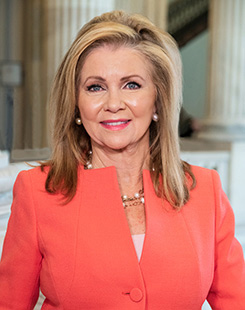
| Marsha Blackburn |
When Chase’s parents gained access to his TikTok account, they discovered that the app had for weeks fed him a steady stream of pro-suicide posts until the day he died, including videos that glorified killing oneself by stepping infront of an incoming train. What his parents did not know at the time was that TikTok intentionally disabled safety features for Chase—and 15 million other U.S. users—that would have prevented these posts from flooding his feed.
According to internal company documents obtained by Bloomberg, TikTok rolled out safety features for some users but withheld them from Chase and millions of others to determine whether their new guardrails would decrease user activity on the platform. In other words, they refused to protect Chase until they knew how much it would affect their bottom line. After blocking the safety features from his account, TikTok’s internal report found that Chase’s feed became a “filter bubble” pushing on him thousands of videos on mental health struggles, self-harm, suicide, and depression.
Such blatant negligence by a multibillion-dollar corporation is appalling. But it marks just the latest example of how Big Tech has repeatedly put profit over children’s safety.
Earlier this year, juries in New Mexico and California found that social media companies have designed their platforms to addict minors—no matter the consequences. During the New Mexico trial, prosecutors revealed that Meta decided to encrypt messages on its platforms, which include Facebook, Instagram, and WhatsApp, even though employees warned that the move would enable child predators. Internal documents disclosed in the California case, meanwhile, showed that the Big Tech giant actively recruited underage users—despite CEO Mark Zuckerberg’s assurances to Congress that children are not allowed on the platforms.
Like Meta, TikTok repeatedly lied about the safety of its platform. Just two months after completing an internal report on Chase’s death, the social media company told members of Congress that it “does not believe that use of the platform has caused users to commit suicide,” adding that “the safety of the TikTok community is of the utmost importance to TikTok.”
t’s far past time for Big Tech to face accountability. That’s why, last week, the Senate Commerce Committee passed my bipartisan Kids Online Safety Act, which would require social media companies to make their platforms safe for children by default. At the heart of this legislation is a duty of care that would compel platforms to prevent foreseeable harms to children, including sexual exploitation, self-harm, and illicit drugs. Without that duty of care, Big Tech will maintain the status quo and continue to design products that addict, exploit, and harm America’s children.
Enforcing a duty of care has earned the support of 76 bipartisan Senate co-sponsors who understand that Americans are not interested in hollow reforms that allow Big Tech’s business model to remain intact. We cannot leave online child safety to chance by delaying action or by passing toothless reforms.
In the coming weeks, the entire Senate will have the opportunity to pass this legislation and help send it to President Trump’s desk. When we do, the Senate will send a clear message to Big Tech: the era of profiting off our children is over.
